Everyday quality,
elevated
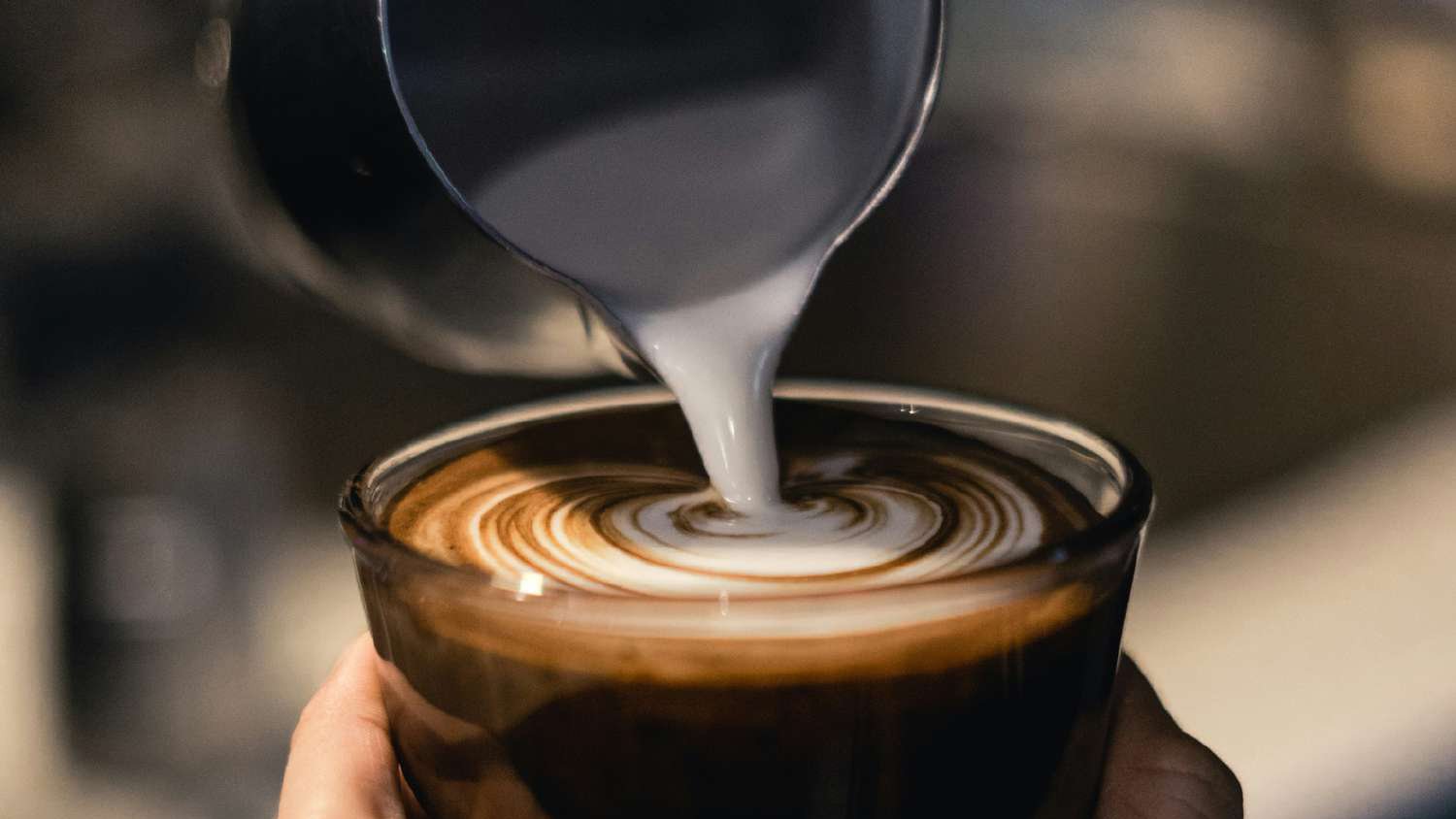
Born in Bahrain on a simple belief: a café can carry comfort and energy into an ordinary day. Coffee, bakery, fresh food and cakes — held to one standard, wherever we open.
A café group that grew inside institutions, now stepping onto the street
Bianco operates five trading cafés inside a resort, a school and three hospitals — locations with captive, repeat traffic and low marketing cost. Two public destinations open next under Bianco Urban Kitchen, taking the same standard from a counter transaction to a full dine-in offer.
This document sets out what the brand is, where it trades, how the menu is priced and governed, and what is being asked of the reader. Figures are stated with their basis. Where a number is indicative rather than contracted, it says so.
Full detail sits in the Bianco dossier — eight sections covering brand, guest, coffee programme, menu architecture, pipeline, Urban Kitchen and operating controls. Open it from the header at any point.
Rooted where
people already are
The point. Bianco built demand inside high-trust institutions before competing on a high street — so the brand travels on routine and familiarity, not on discounting.
Bianco did not start by chasing footfall on a high street. It started inside the places Bahrain spends its day — a school, a hospital, a resort — and earned the right to be part of the routine.
We have stayed with premium ingredients and honest process, delivering trusted quality in every cup and every pastry. Guests did not simply come for quality; they came for connection, care and familiarity. That is the asset the brand now travels on.
Rooted in Bahrain
Proudly part of the community, serving guests across the Kingdom.
Quality in every detail
From ingredients to service, there is no compromise position.
Made for every you
Great coffee, fresh food and warm hospitality, crafted for the everyday.
 The origin
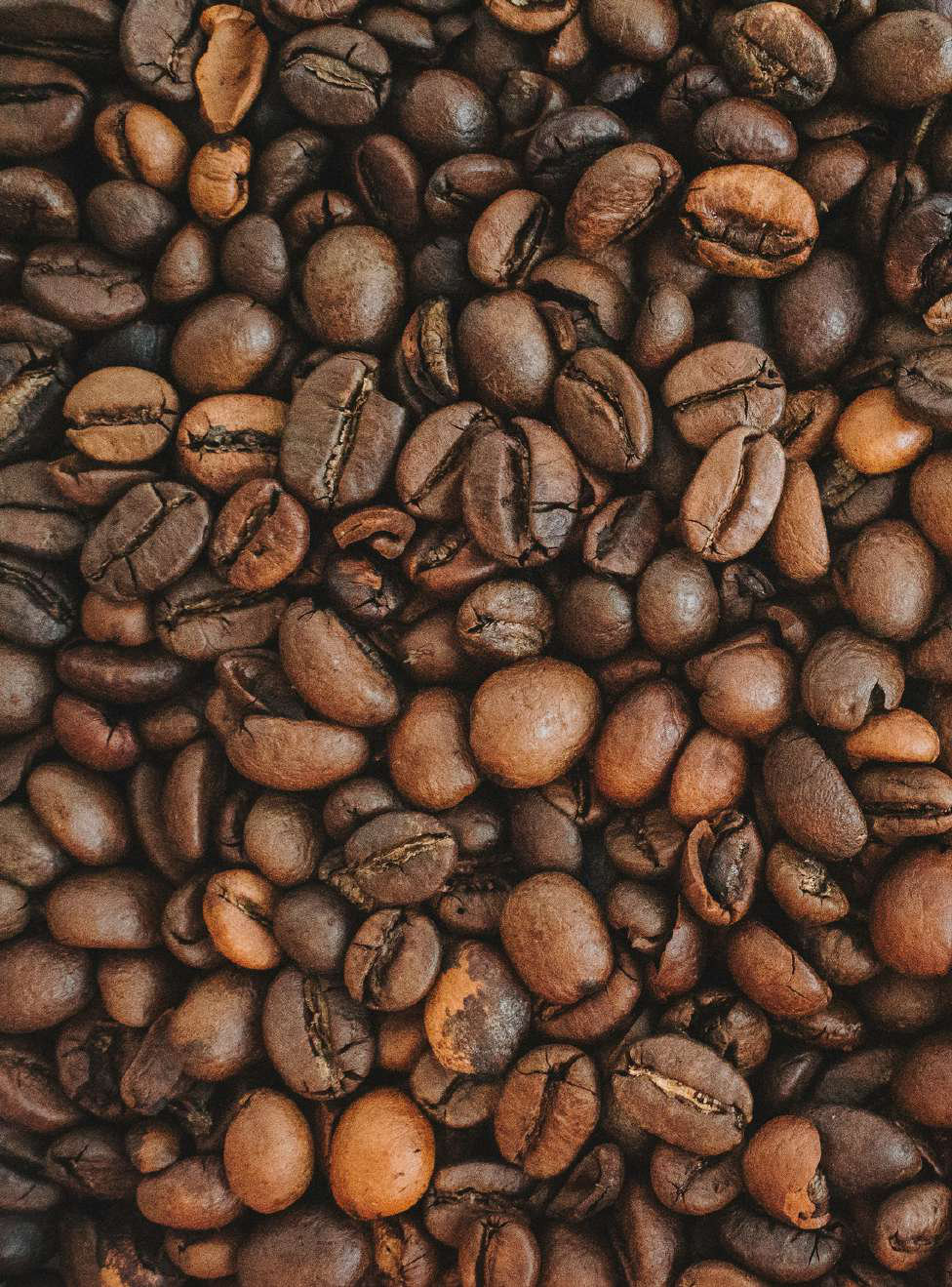
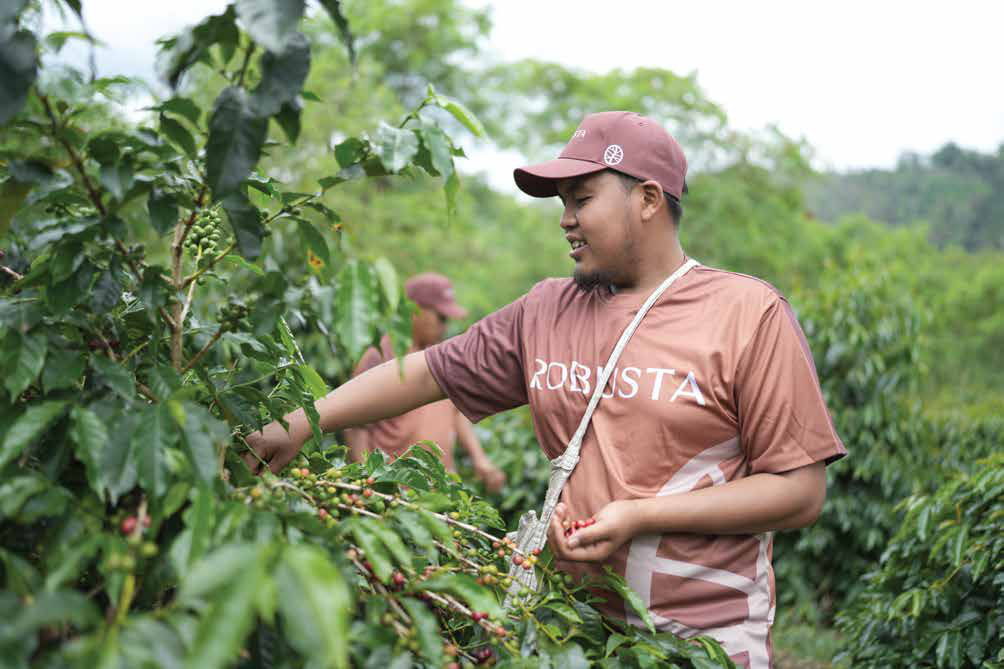
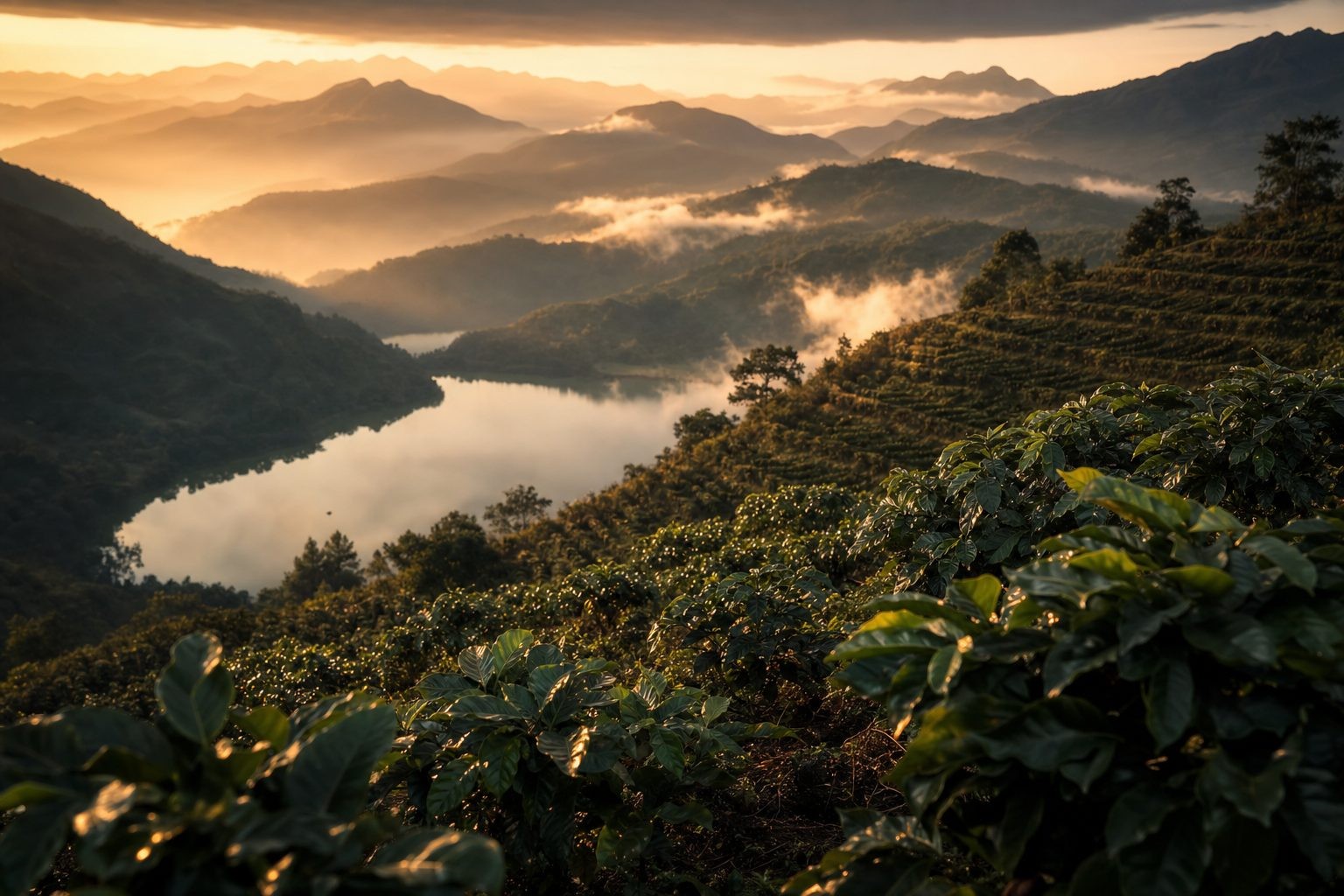
Sourced from the heart of Indonesia
The point. One declared origin across both brands. The house coffee in the cup today, and the green coffee the roastery is built around, are the same Indonesian supply line — so the origin story never has to be qualified.
Handpicked from selected Indonesian farms, our beans are chosen for rich character, natural aroma and a smooth, flavourful finish. The programme bridges Indonesian coffee origin with Bahraini craftsmanship — empowering farming communities while putting a genuinely good cup in front of the guest.
Gayo highlands, Sumatra — a geographical indication, not a varietal. Lot detail is declared per shipment.
Roast profiles developed for Bianco's espresso and filter service, then locked as a repeatable curve.
Signature quality,
everyday enjoyment
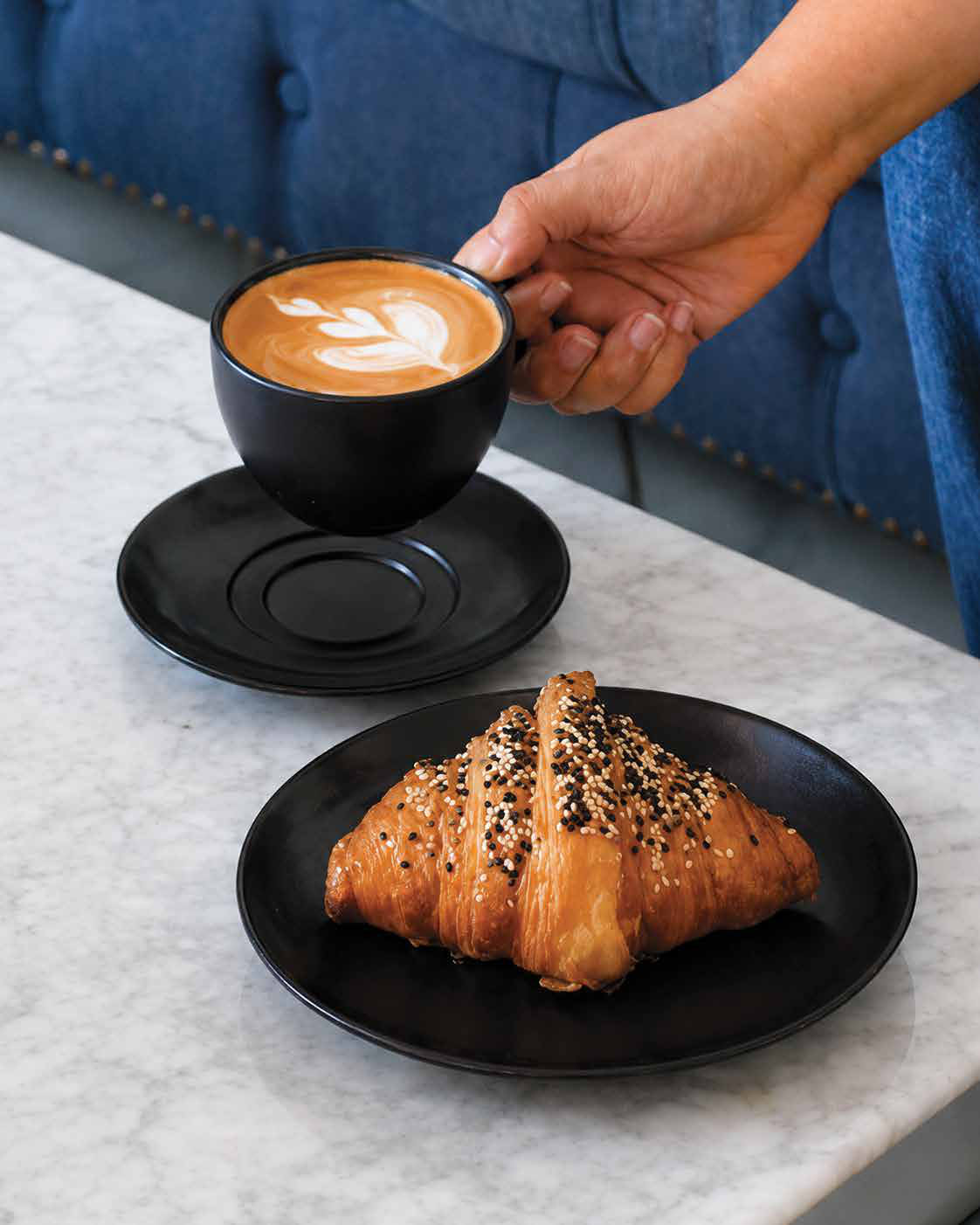
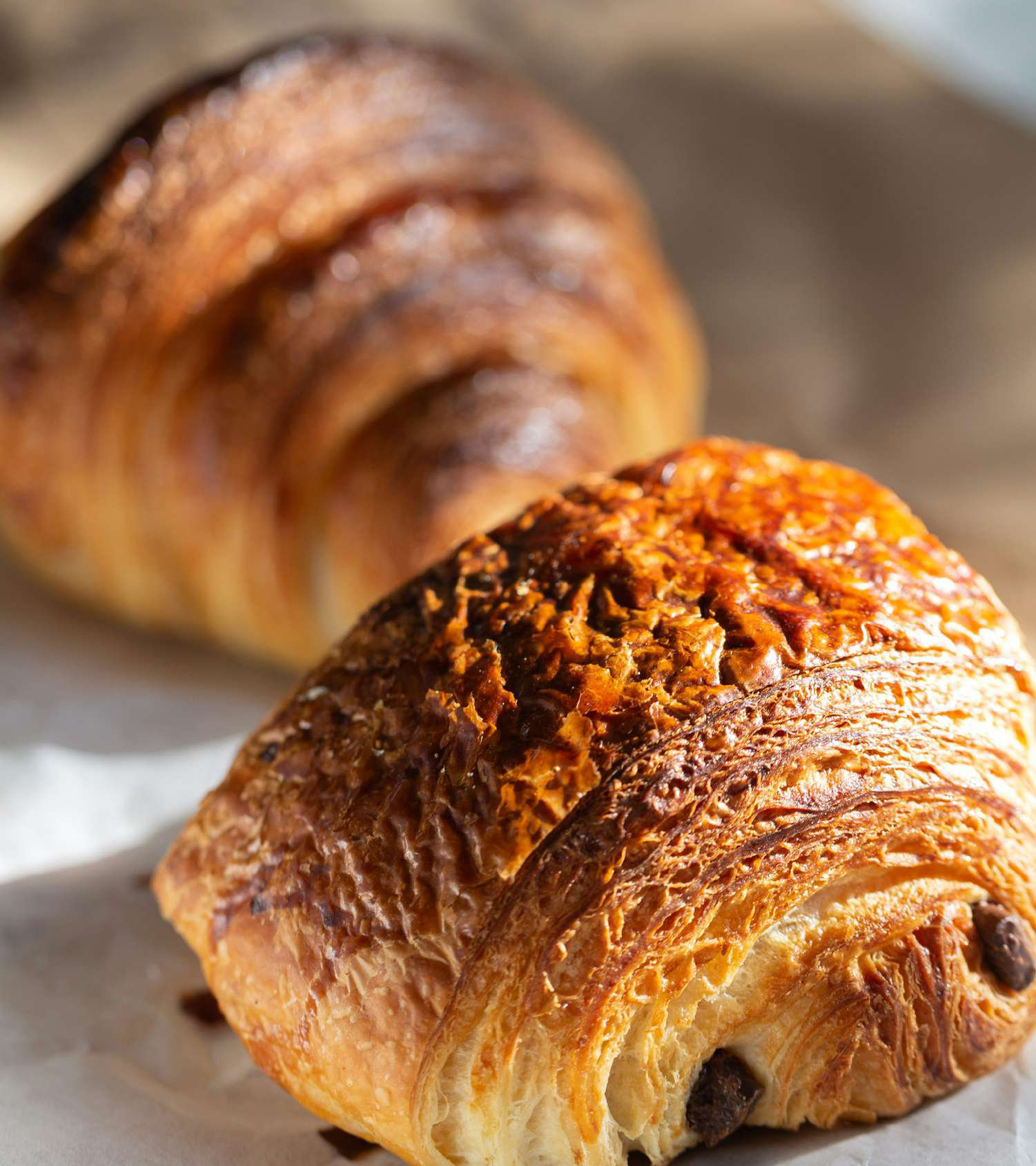
The point. Six revenue categories, not one. Coffee and bakery carry the morning; sandwiches, salads and juices carry midday; celebration cakes carry the evening and weekend — which is what keeps a small footprint trading all day.
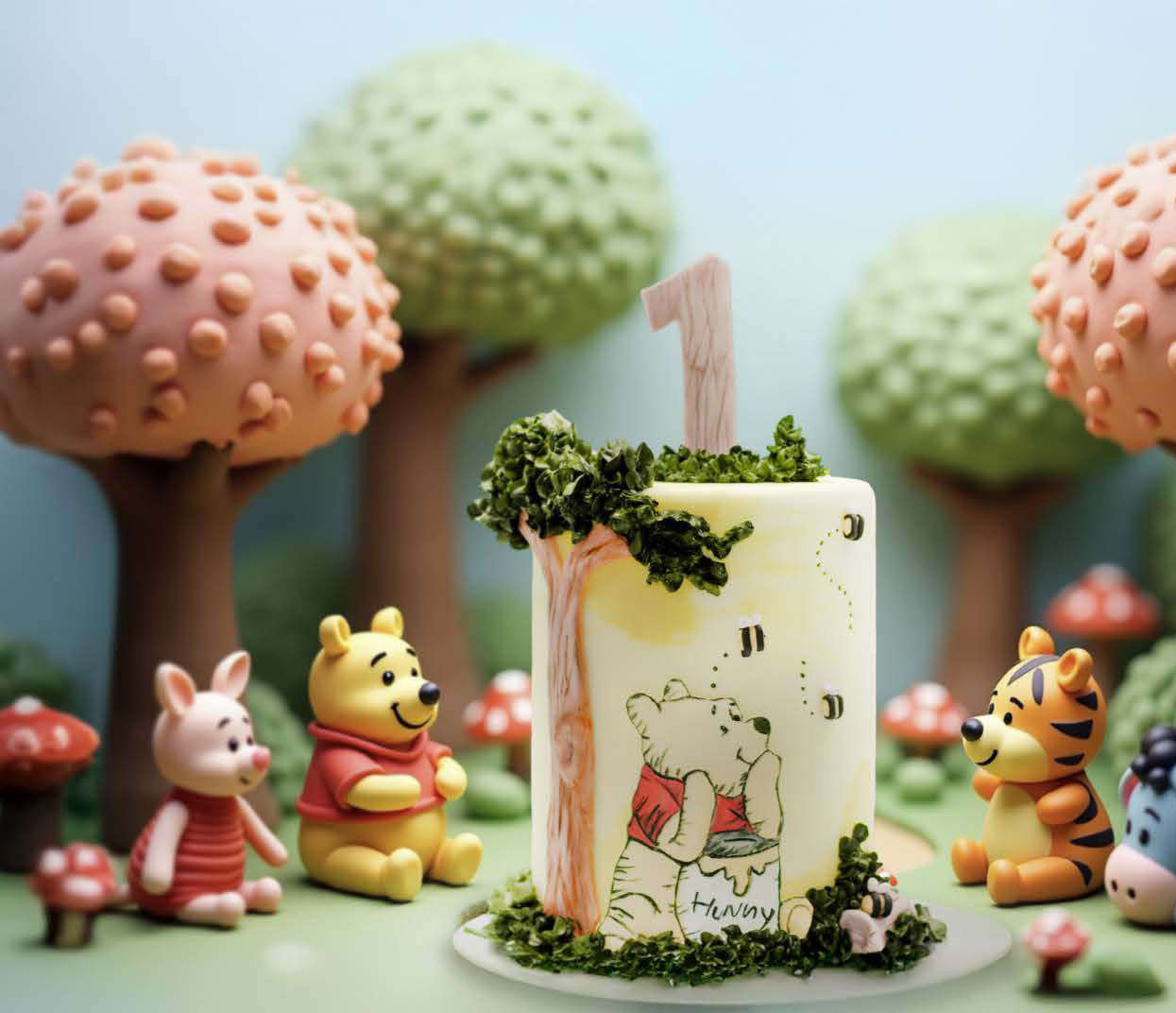
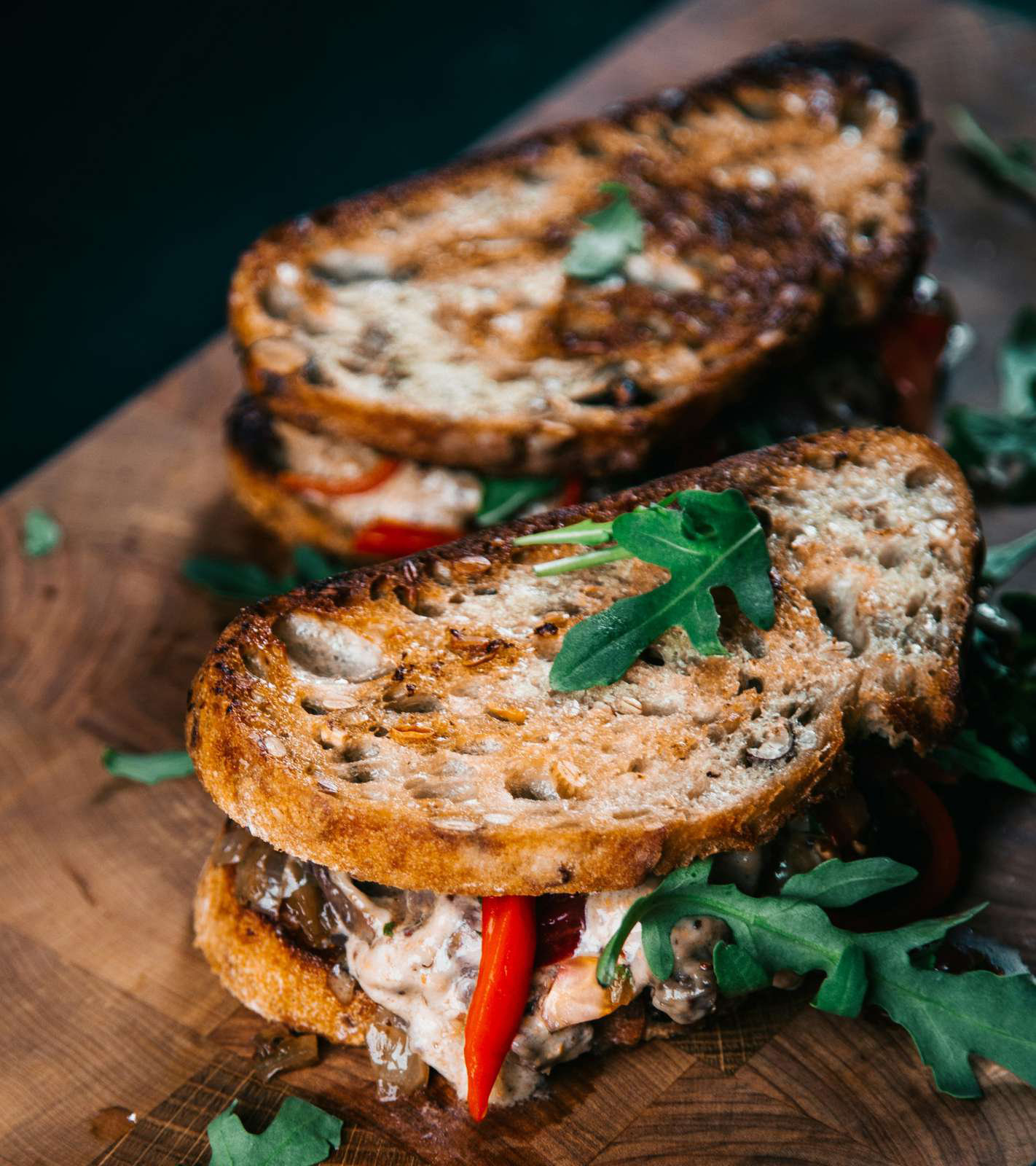
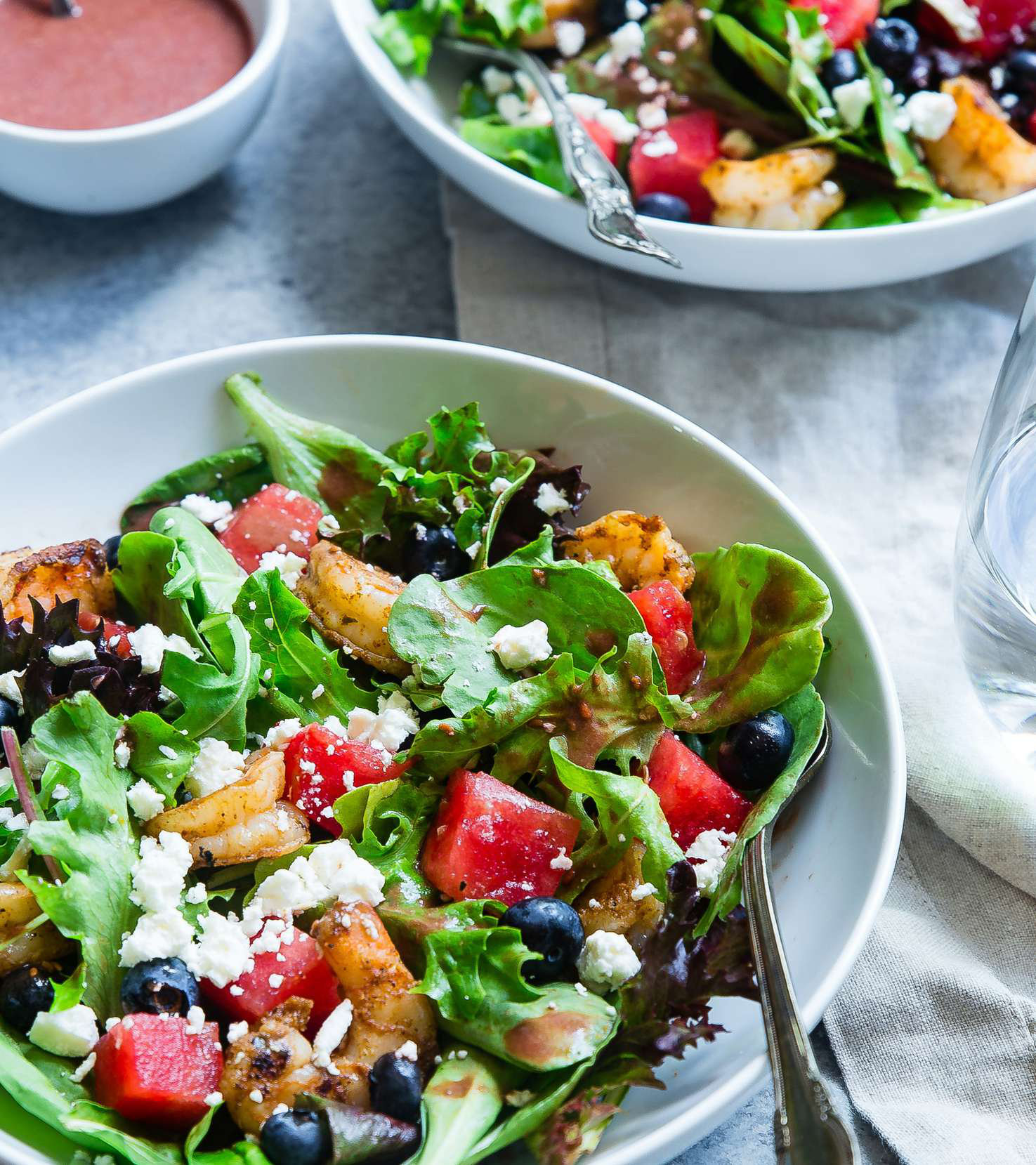
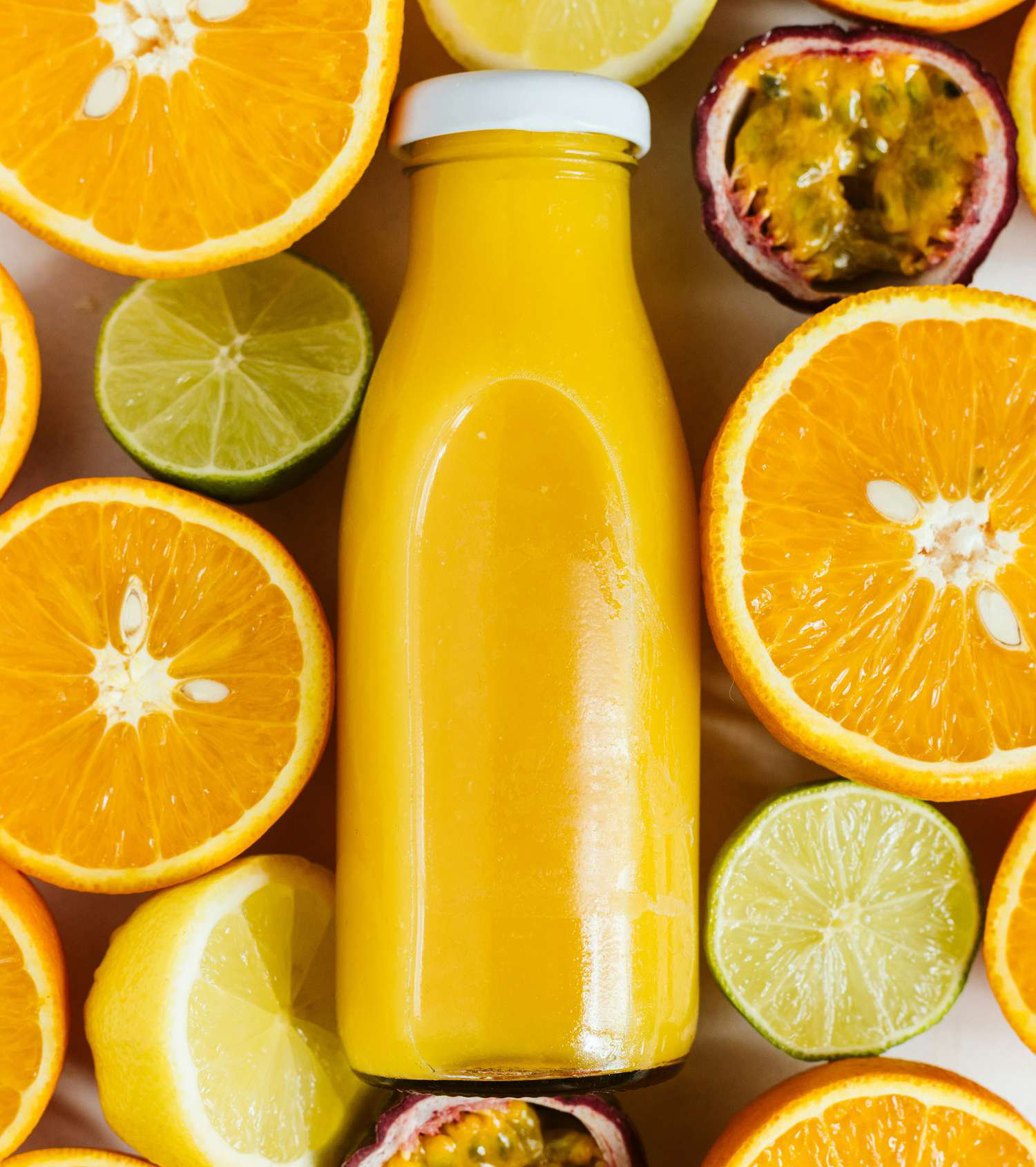
Priced by category value,
not competitor averaging
The point. Every price band has a stated job. Café staples are benchmarked market-minus to protect repeat frequency; signature and dine-in items are benchmarked premium-minus to hold the ceiling. Any item above 28% food cost is flagged before the menu is printed.
Bands are stated as net sales excluding 10% VAT. Source: internal Bianco menu costing workbook, current revision. Prices are subject to chef-approved plating and ingredient-level yield confirmation before print.
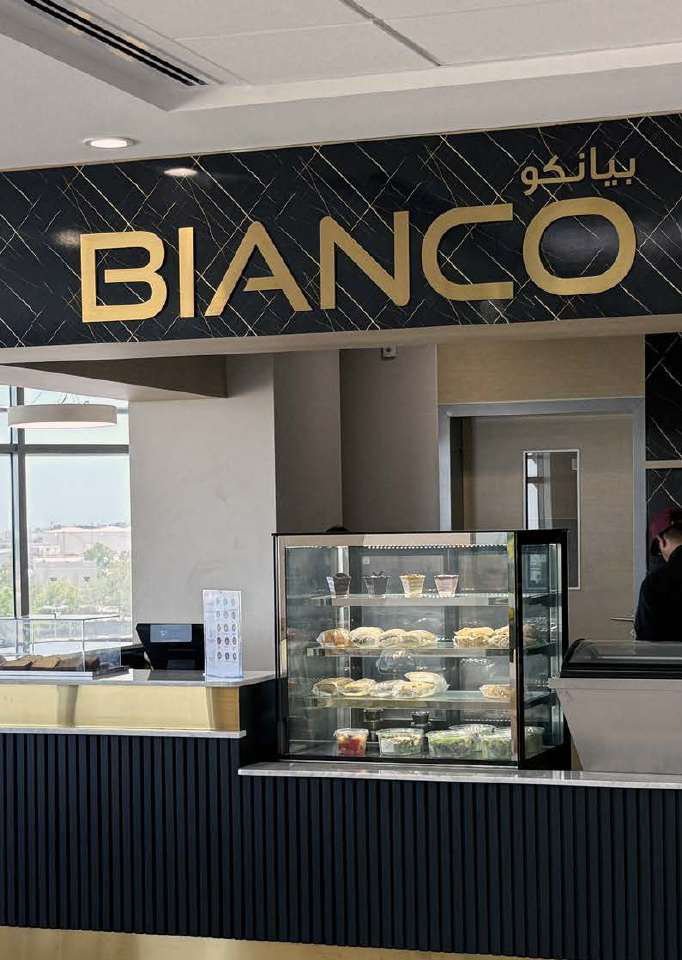
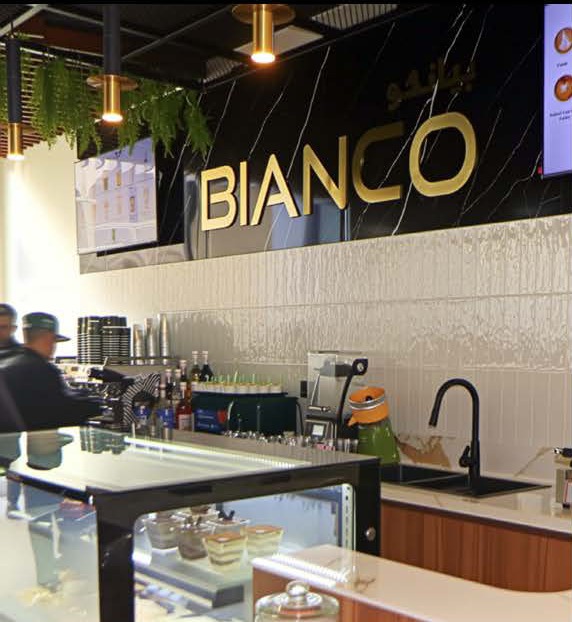
Where Bianco already lives
The point. Two different asset types under one brand. Institutional sites deliver captive repeat traffic at low rent and low marketing cost; mall destinations buy brand visibility at higher rent and higher fit-out — and they are underwritten on different rules.
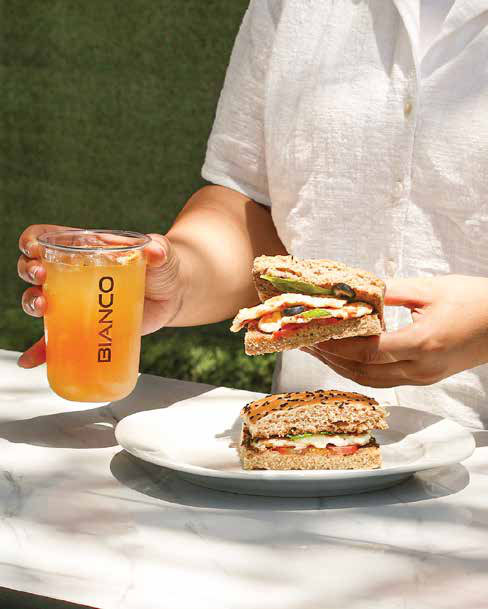
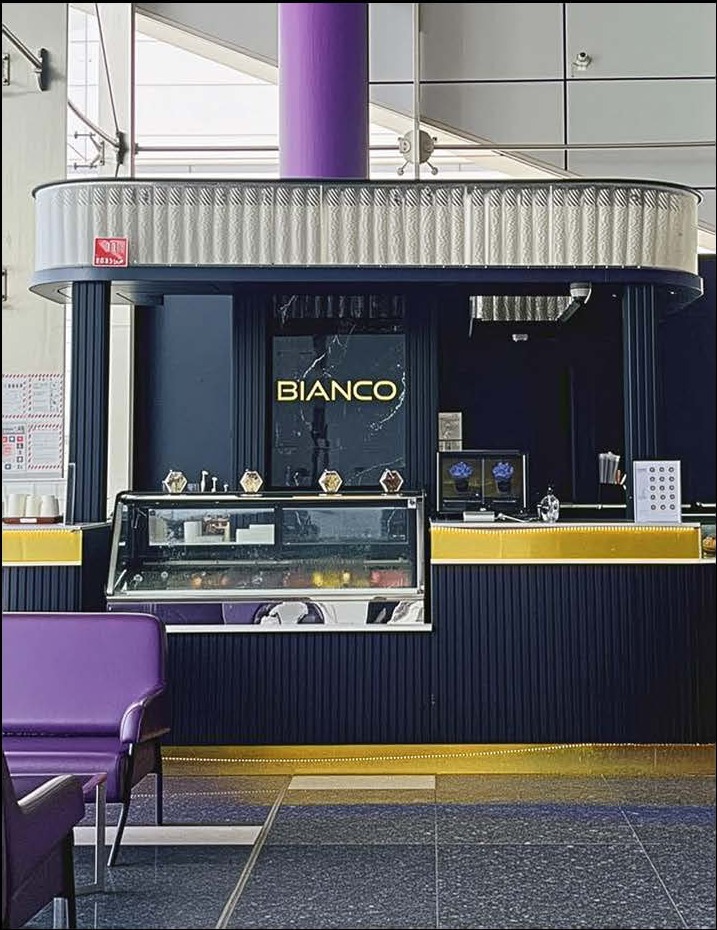
| Site | Location | Host type | Format | Status |
|---|---|---|---|---|
| Lagoona Beach Resort | Budaiya | Resort | Café counter | Trading |
| Ibn Khuldoon National School | Isa Town | Education | Café counter | Trading |
| King Hamad University Hospital | Muharraq | Healthcare | Café counter | Trading |
| Bahrain Defence Force Hospital | Riffa | Healthcare | Café counter | Trading |
| Ibn Al Nafees Hospital | Um Al Hassam | Healthcare | Café counter | Trading |
| Bianco Urban Kitchen — Once Mall | Isa Town | Retail destination | Full dine-in | Opening |
| Bianco Urban Kitchen — Saar Green | Saar | Retail destination | Full dine-in | Opening |
Source: Bianco operations records, August 2026. Opening dates for the two Urban Kitchen destinations are subject to landlord handover and fit-out completion.
From counter
to table
The point. Same brand, different economics. Urban Kitchen carries a full kitchen, table service and destination pricing — which is why it is underwritten separately from the café counters.
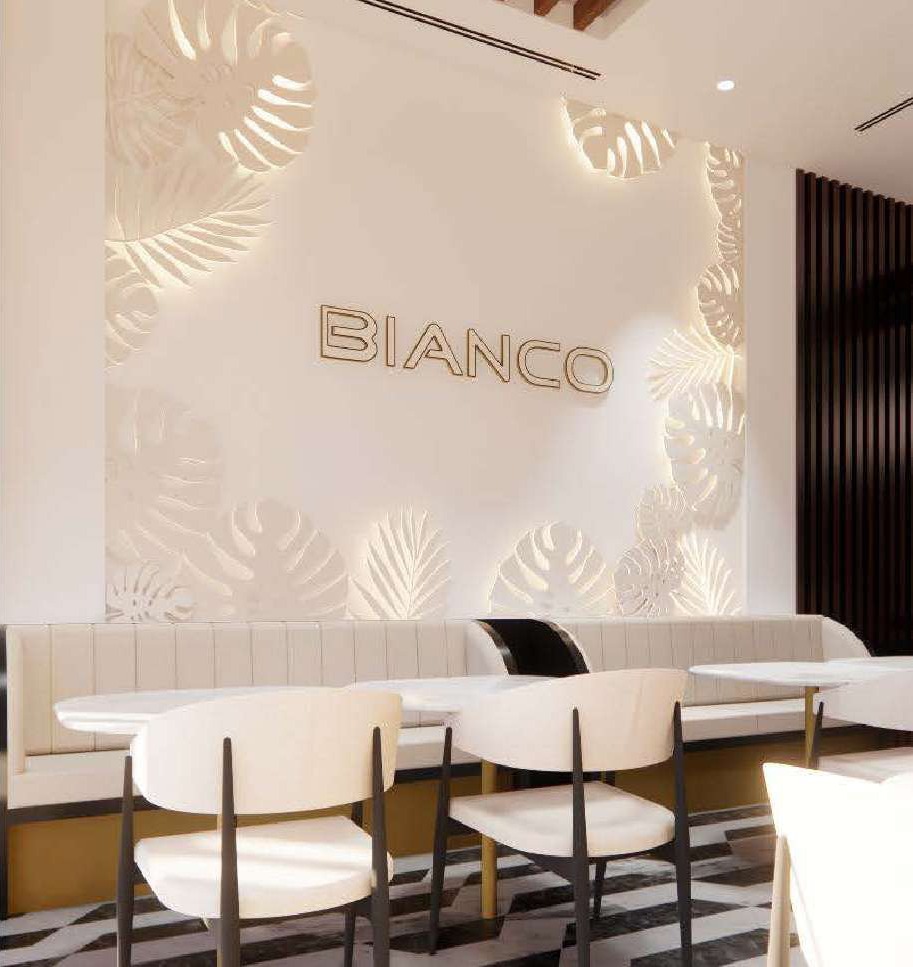
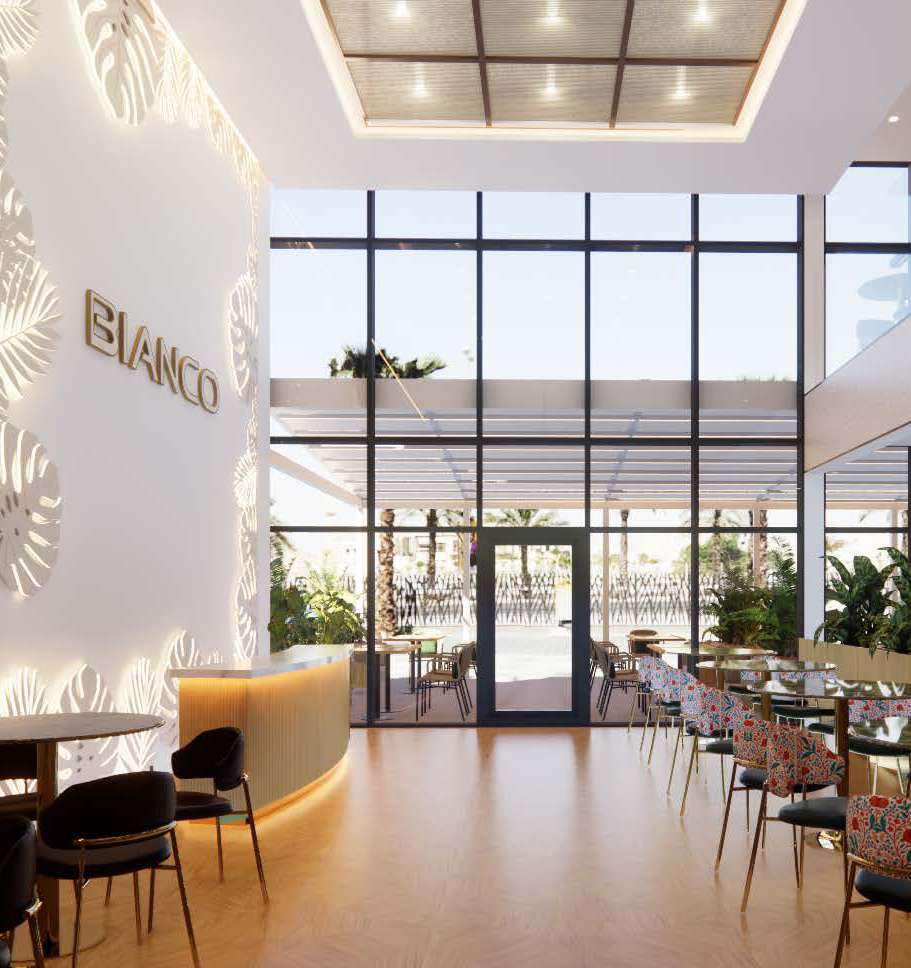
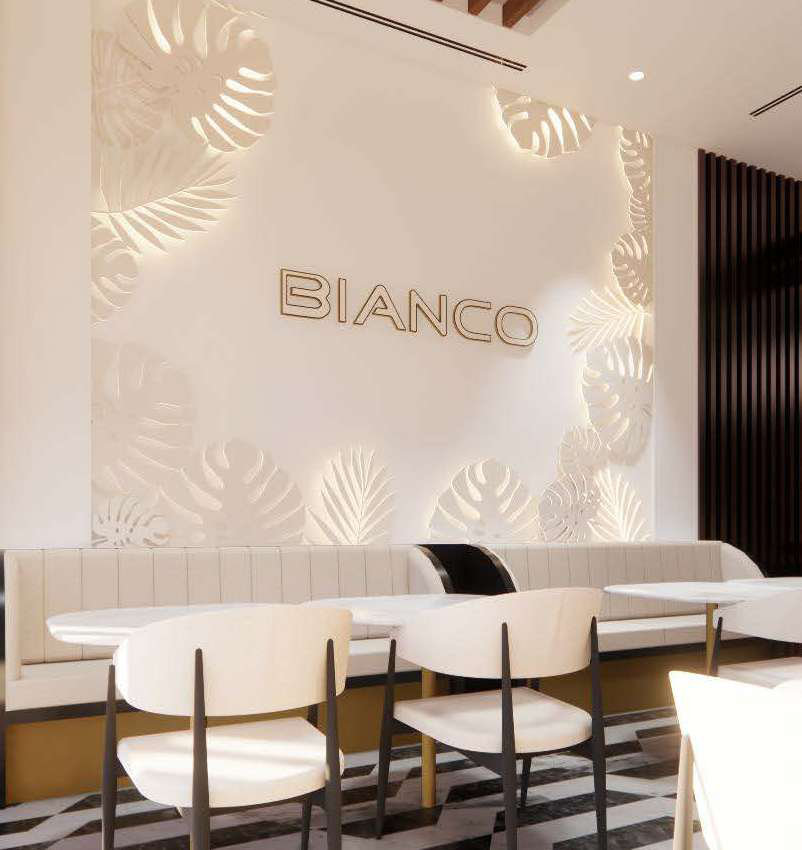
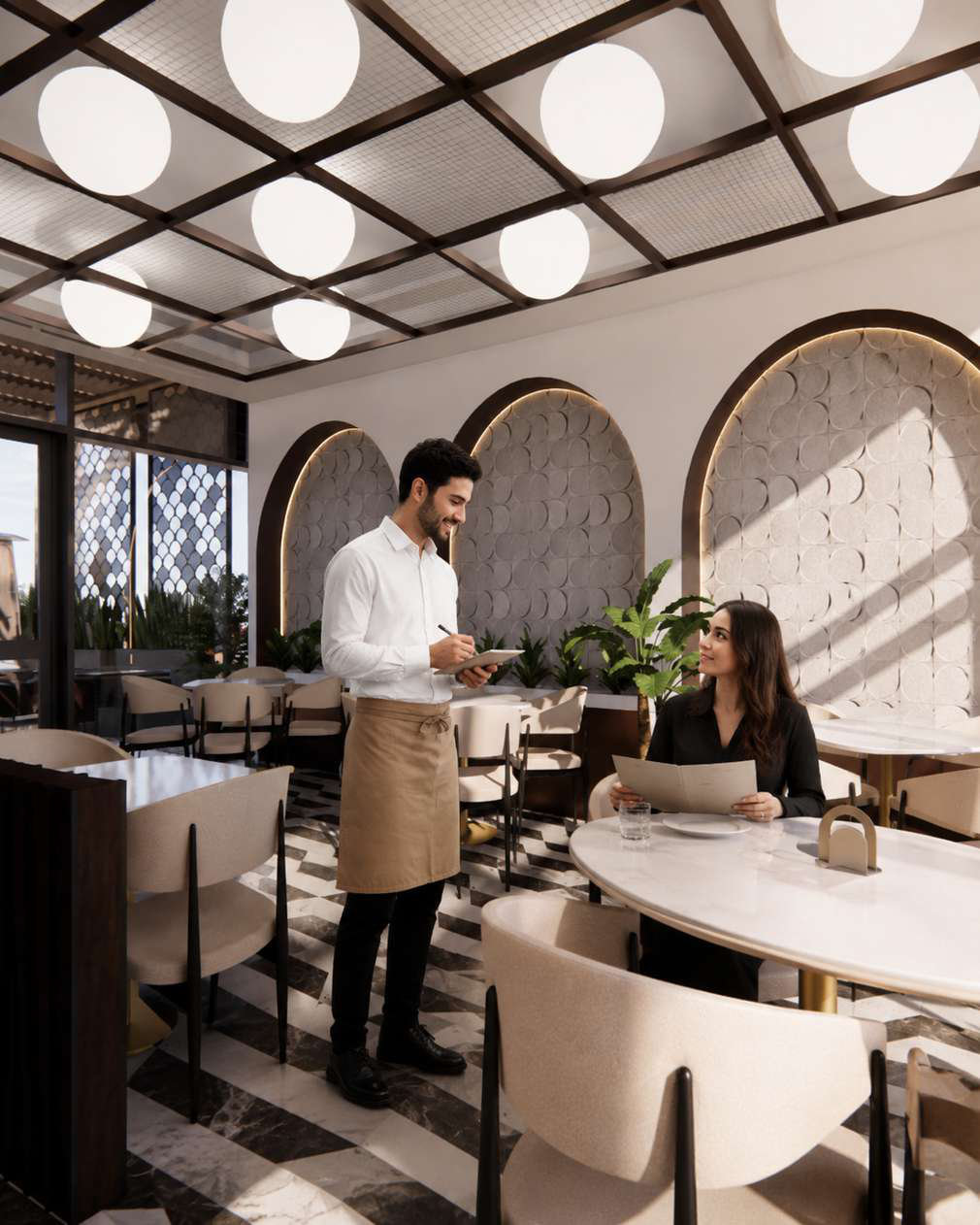
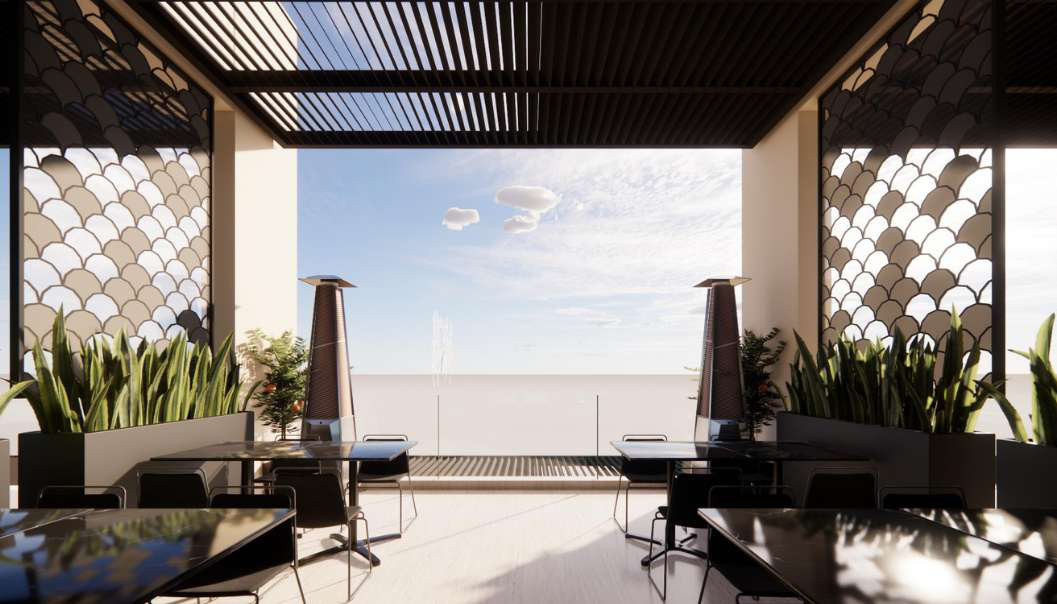
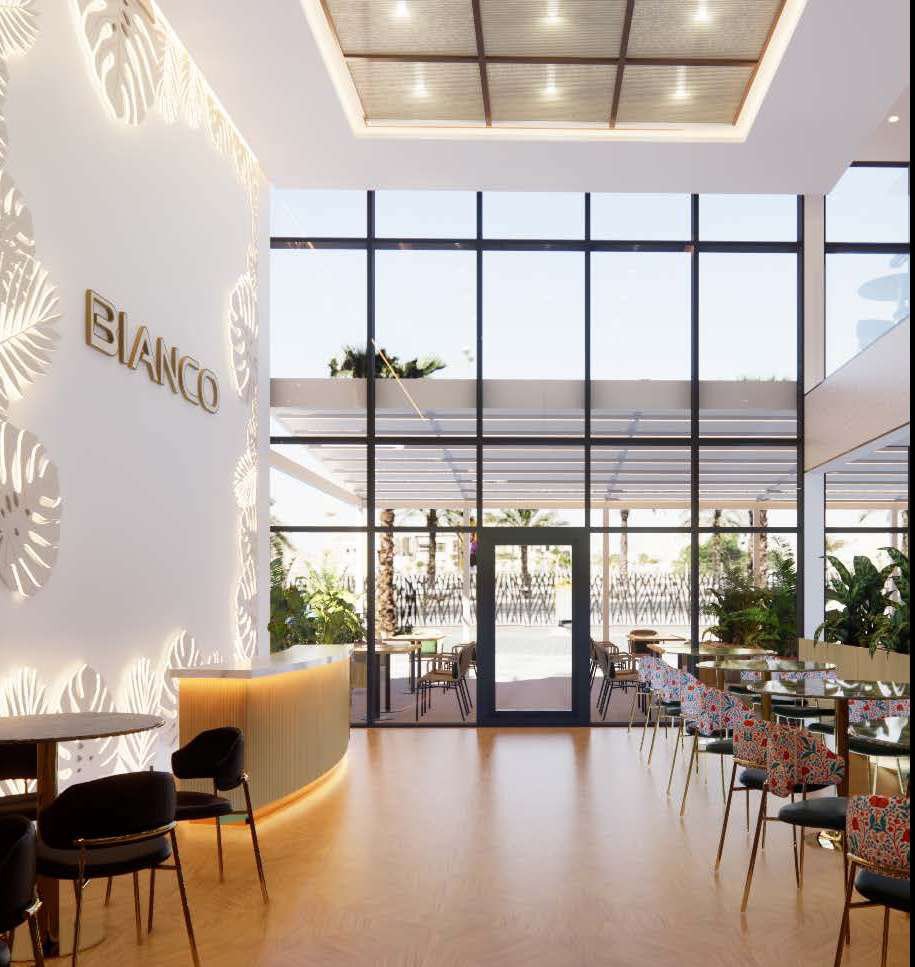
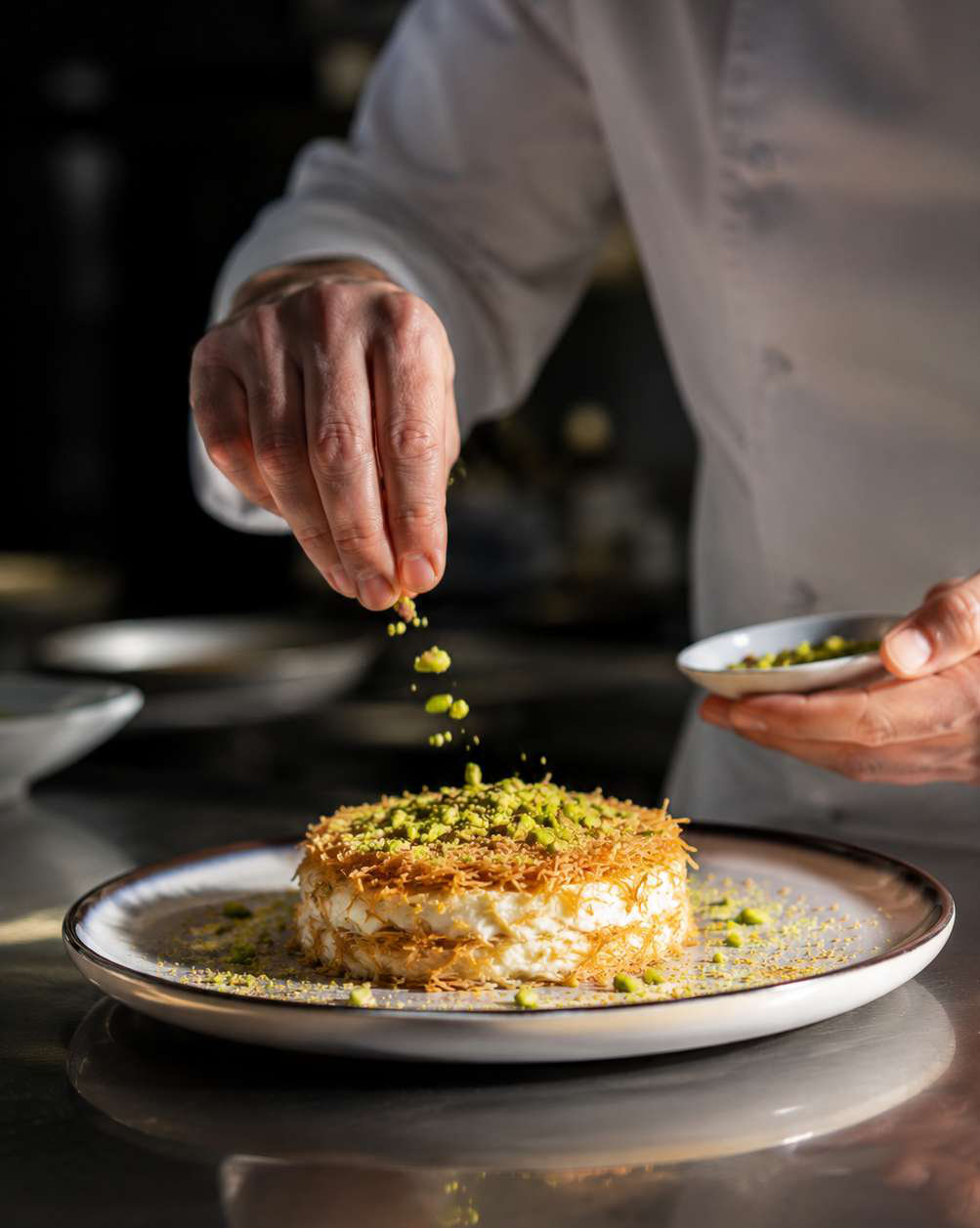
Urban Kitchen was born from the same passion for good food and welcoming ambiance first cultivated at Bianco Café — now delivered as a complete culinary experience rather than a counter transaction.
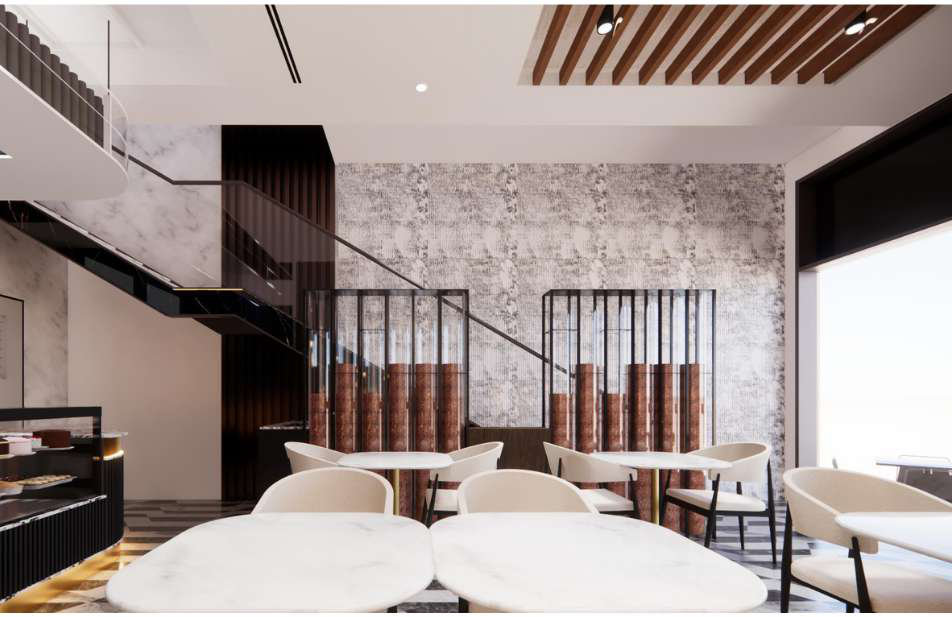
Refined interiors: sculptural scalloped screens, architectural planting, expansive glass façades, a warm neutral palette with metallic accents, and seamless indoor–outdoor flow.
Building a trusted local brand
The point. Gulf café demand is growing faster than the global average, but Bahrain's premium streets are crowded. Bianco's defensible position is host-site access — not being the newest café on the same road.
| Market indicator | Figure | Basis |
|---|---|---|
| Global coffee market, 2025 | USD 249.3bn | Third-party market research; forecast to USD 380.3bn by 2033 at c.5% CAGR |
| Global specialty coffee, 2025 | USD 111.5bn | Third-party market research; forecast to USD 251.7bn by 2033 at c.10.8% CAGR |
| GCC café & coffee growth | c.8–12% p.a. | Regional trade estimate; rate varies materially by country |
| Saudi café market (regional benchmark) | USD 6.14bn (2024) | Forecast USD 9.87bn by 2030 at 8.23% CAGR |
| Bahrain coffee consumption per capita | 7.52 kg | FAO-derived national statistic, 2021 — latest published year |
Sources: global and specialty market size — Grand View Research, Coffee Market and Grand View Research, Specialty Coffee Market; GCC growth range — Authority Coffee, GCC Coffee Markets Compared; Saudi café benchmark — Ken Research, Saudi Arabia Café Market; Bahrain per-capita consumption — Helgi Library / FAOSTAT. Market-size estimates vary widely between houses; figures are directional context, not a demand forecast for Bianco.
Design & branding
- Modern yet warm interiors with one visual identity.
- Ivory stone band, charcoal fluting, bronze hairline — not another black-and-gold café.
Channels
- Social media, local collaborations, seasonal campaigns.
- Delivery aggregators treated as a costed channel, not free volume.
Engagement
- Community events and a loyalty programme.
- Partnerships with schools and hospitals.
The decision in front of you
The point. Three different readers, three different asks. Take the column that applies to you — the rest is context.
Bianco is not raising against a concept. It is trading, and the request is site access, supply terms or growth capital — depending on who is reading.
If you are a landlord or host
- A site brief and indicative footprint for your location.
- Trading references from five live institutional sites.
- Fit-out and brand-frontage package for landlord approval.
If you are a supplier or brand partner
- Supply terms across coffee, bakery and fresh-food categories.
- Volume across seven sites once both destinations open.
- Co-branding and machine-placement discussions welcome.
If you are an investor or lender
- Access to the site-level P&L pack and menu costing workbook.
- Fit-out capex schedule per format, institutional versus mall.
- A meeting to walk the pipeline and underwriting rules.
Next step in every case: [email protected] · +973 6666 8050. Financial detail is released under confidentiality, not inside this brochure.
From farm
to cup
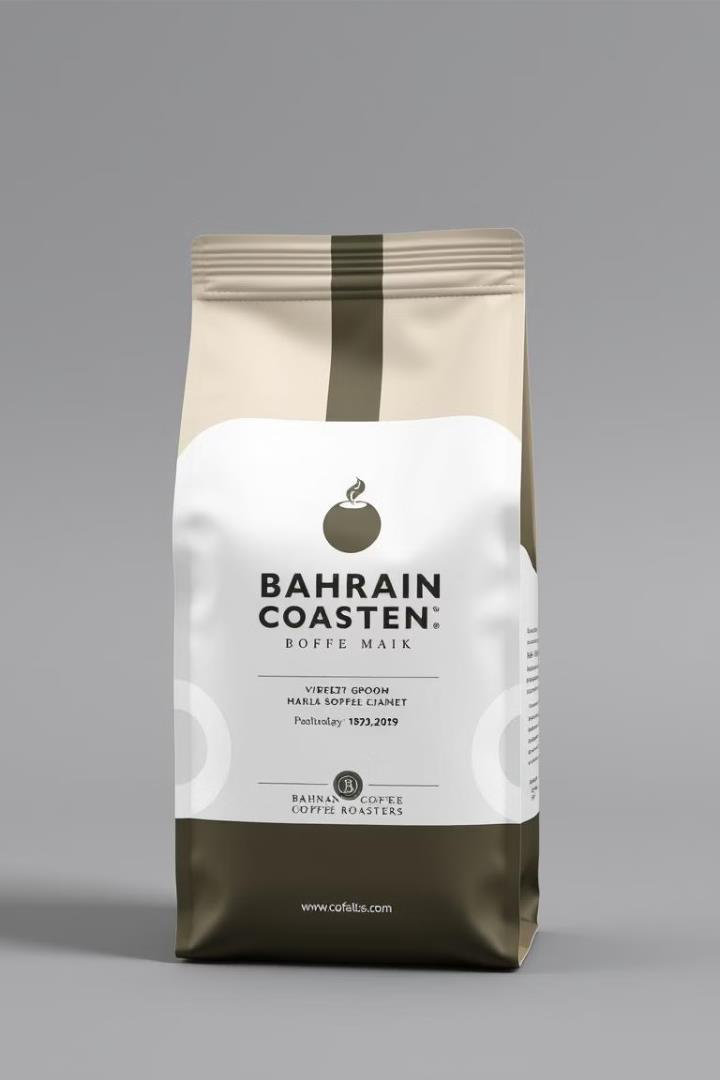
A Bahraini roasting house built to a production standard: direct-farm green coffee, controlled roast curves, nitrogen-sealed bags and capsules — with the working floor placed deliberately in front of the guest.
A proposed Bahraini roasting house, sized for external channels rather than internal supply
Robusta Roastery is at concept and layout stage. The programme is defined: a 3,200 m² site with 2,000 m² built, two 120 kg/hour roasters, a capsule line, bagging at three formats, and a public coffee shop placed in front of the working floor.
This document covers the brand, the origin, the facility and the channels it is designed to serve. Commercial terms, capital cost and the financial model are handled separately and are not part of this brochure.
The dossier expands each section — proposition, market, sourcing, production flow, equipment, automation, roadmap and sustainability. Open it from the header. Commercial and capital figures are issued separately, under confidentiality.
A brand project
with a factory
underneath it
The point. Robusta is the brand name, not the bean species. Internal supply to Bianco is the anchor load — it is not the return.
Robusta is the brand name, not the bean species. The roastery exists to own the story — origin, roast, pack, capsule — and to convert that ownership into retail bags, capsules and B2B wholesale volume.
Supplying Bianco's own outlets is the anchor load, not the business case. The return is built on what leaves the plant under the Robusta name — retail bags, hotel and office capsules, private label and B2B wholesale — with the outlet network guaranteeing the line runs from day one.
Green bean to sealed cup, in six controlled steps
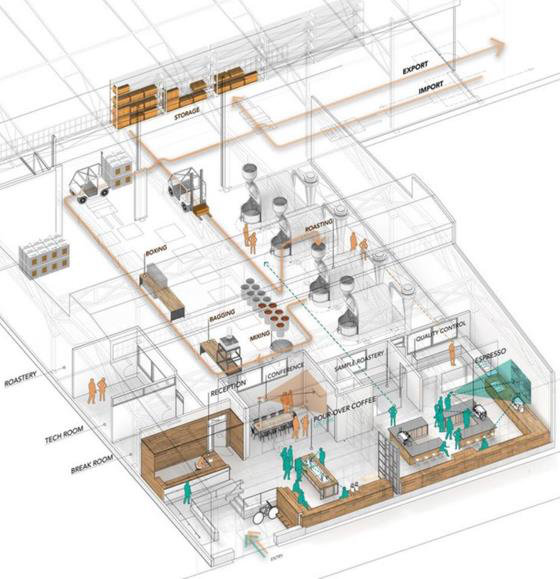
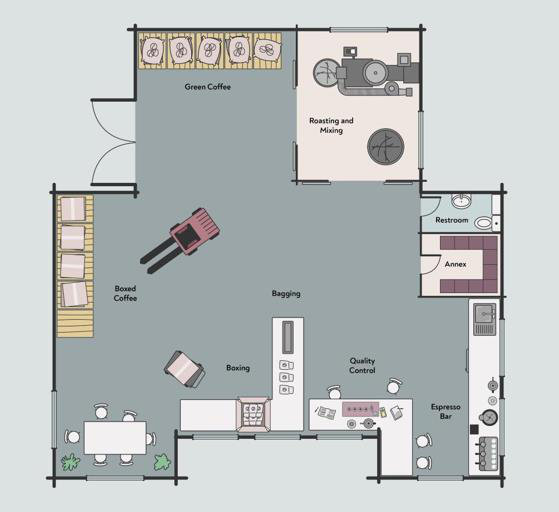
The point. A single one-way coffee path from goods-in to dispatch. Chaff, waste, cartons and green sacks never cross guest movement — which is what makes a public roastery auditable rather than decorative.
Source
Direct-farm Indonesian green coffee at fair, contracted prices with declared lot data.
Receive
Goods-in, weighing and climate-controlled green storage — 20 tonnes held.
Roast
Drum roasting on IoT-controlled curves, cooling, de-stoning, then rest.
Degas
Silo rest before grind or whole-bean packing — flavour, not schedule, sets release.
Pack
Nitrogen-flushed bags at 250 g, 500 g and 1 kg; capsules at 30–50 per minute.
Serve
Retail wall, café counter, hotel capsule programme and wholesale dispatch.
One-way coffee path from goods-in to finished goods. Chaff, waste, cartons and green sacks never cross guest movement.
3,200 m² of land.
2,000 m² of purpose.
The point. Sixty per cent of the built area is production and storage. The public coffee shop is 300 m² — the shopfront of a factory, not a café with a roaster in the corner.
Select a zone to read what it carries. Bar length is proportional to floor area. The full schedule is tabulated below.
| Zone | Area | Share of built area | Carries |
|---|---|---|---|
| Roastery & processing | 800 m² | 40% | Two 120 kg/h drum roasters, conveying, cooling, grinding to 500 kg/h, degassing silos |
| Packaging unit | 500 m² | 25% | Capsule line 30–50/min, bagging at 250 g / 500 g / 1 kg, sealing, labelling, boxing |
| Storage | 400 m² | 20% | 2 × 10 t green silos, sealed roasted stock, packaging materials |
| Coffee shop & bakery | 300 m² | 15% | Barista counter, 30–40 seats, bakery oven, pastry display, retail wall |
| Utilities & facilities | 200 m² | 10% | Power, compressed air, chillers, water recycling, waste, staff |
| Office / admin | 100 m² | 5% | Production planning, QC cupping, trade coordination, RFID inventory control |
Areas total 2,300 m² of programmed space against 2,000 m² of stated building coverage — the mezzanine at 5.5 m absorbs the difference in the destination concept. Shares are shown against the 2,000 m² coverage figure and are therefore indicative until the layout is frozen. Source: Robusta Roastery concept layout package.
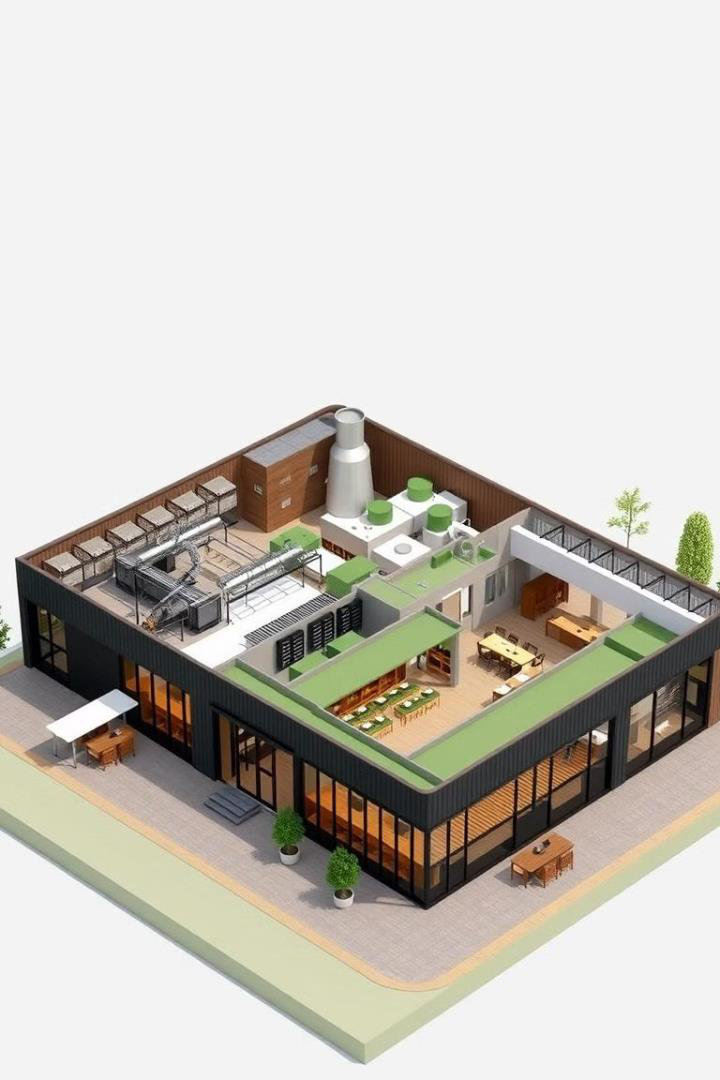 Roastery theatre · concept
The roast floor as the exhibit
The point. Putting production behind glass is the marketing budget. It replaces paid reach with a reason to visit, and it is why the plant is sized with a public frontage rather than tucked into an industrial shed.
The destination concept puts production on show: a 12 m × 11 m footprint rising to 9 m, a mezzanine at 5.5 m, and a 4 m × 5 m central roastery and capsule-packaging feature standing in the middle of the ground floor. Tubes carry the coffee story upward through the volume; 9 m of glazed frontage puts it on the street.
Four ways the roast leaves the building
The point. Retail bags, capsules, wholesale and private label are the return. Internal supply to Bianco is the fifth channel and the least profitable one — stated that way deliberately.
Retail bags
- 250 g, 500 g and 1 kg, nitrogen flushed.
- Lot ledger printed per batch: origin, altitude, harvest, roast date.
- Sold through the roastery, Bianco outlets and grocery listings.
Capsules
- Automated line at 30–50 capsules per minute.
- Hotel and office programme with machine placement.
- Own-label capability for partner brands.
Wholesale & B2B
- Cafés, restaurants, hotels and offices under supply agreement.
- Private-label roasting for third-party brands.
- Export lane into GCC as volume matures.
Two sites under study
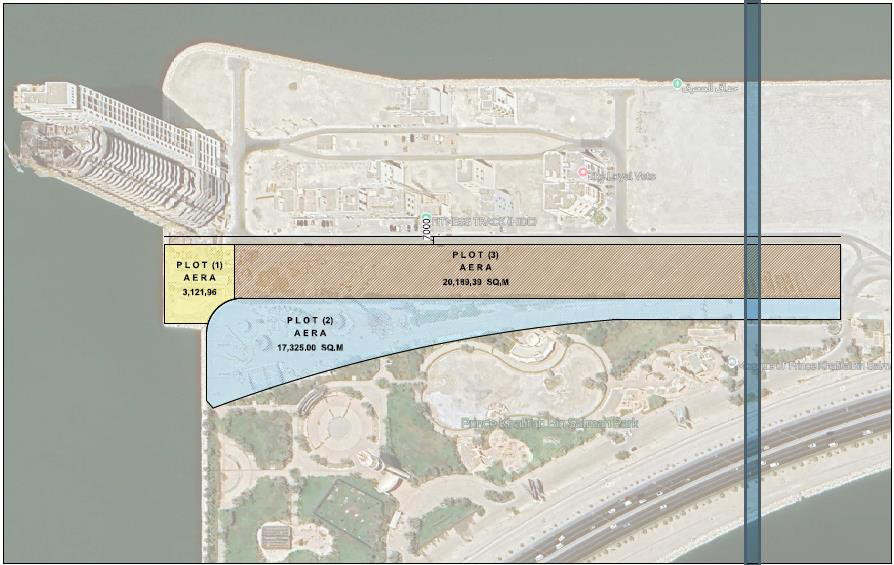
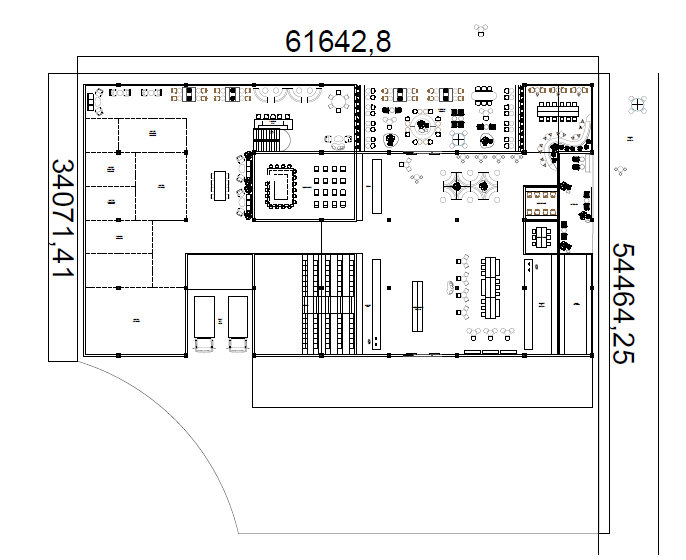
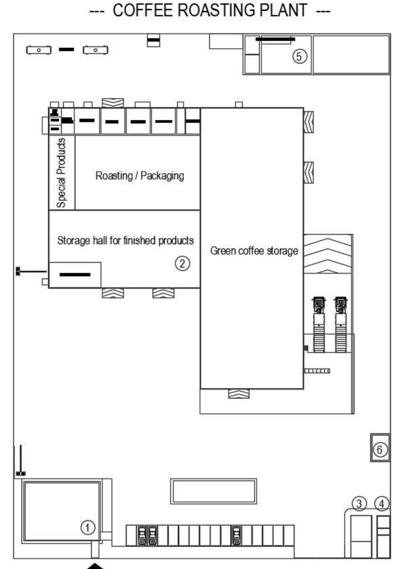
The point. These are two different projects, not two addresses for one project. Hidd optimises production cost; Seef optimises brand and footfall at higher rent. The site decision sets the capital number, so it comes before equipment.
Location 1 — Hidd
Industrial-adjacent plot carrying the full production programme with floor plans developed to layout stage: roast floor, packaging, storage and dispatch, plus a public coffee shop and bakery at the front.
Location 2 — Seef / Bahrain Fort
Destination-led site where the roastery reads as an experience: sea-facing outdoor seating, glass partitions for daylight and guest engagement, solar generation and water recycling built into the brief.
Three phases,
twenty-four months
The point. Phase 1 does not start with a roaster purchase. It starts with three months of verified coffee invoices and signed B2B letters of intent — those two documents decide whether this is a lean line or a flagship plant.
| Phase | Window | Content |
|---|---|---|
| 01 — Foundation | Months 1–6 | Site secured, facility set up, certifications obtained, sourcing agreements finalised with farmers. |
| 02 — Launch | Months 6–12 | Branded products launched, digital marketing started, retail and B2B partnerships established. |
| 03 — Expansion | Months 12–24 | GCC retail expansion, in-store events and tastings, export lanes explored. |
Windows are indicative and assume site possession at month zero. Source: Robusta Roastery business plan, phasing section.
The decision in front of you
The point. Nothing here asks for a signature on a plant. It asks for the three inputs that convert a concept into a costed Phase 1.
Robusta is pre-commitment by design. The next spend is on validation, not on equipment.
If you are a trade buyer
- A letter of intent against indicative volume and format.
- Capsule or bag specification for your own label.
- Machine-placement terms for hotel and office programmes.
If you are an equipment or origin partner
- A firm Phase-1 quotation at the stated capacity.
- Indonesian green coffee offers with declared lot data and continuity terms.
- Commissioning, training and service-support scope.
If you are a site or development partner
- Land or building terms at Hidd or a seaside destination plot.
- Utility capacity, extraction routes and loading access for the stated programme.
- A joint review of the layout against your site before it is frozen.
Next step in every case: [email protected] · +973 6666 8050. Commercial terms and capital figures are issued separately, under confidentiality.